Security Jewelry: Best Discreet Personal Safety Options (2026)
“Security jewelry” is a broad search term that means different things to different people — so before anything else, here’s exactly what this guide covers.
Affiliate disclosure: this page contains affiliate links for CERRET. If you purchase through our CERRET links, we may earn a commission at no additional cost to you. We are not affiliated with invisaWear, ResQ Jewelry, or Safelet — their feature and positioning details come from their own public sites, most recently checked 2026-09-16/17 except where noted. CERRET-specific details were verified directly on the brand’s official site on 2026-09-17.
A Quick Glossary, Since the Terms Overlap
Search terms in this category blur together on purpose — brands use whichever phrase tests best. Here’s how we use each one across this site:
Discreetness, Ranked: Four Real Options
If discretion is your main reason for searching “security jewelry” rather than a more obvious safety device, here’s how four current options compare, based on each brand’s own public design and positioning:
| CERRET |
|
9/10 |
| invisaWear |
|
8/10 |
| ResQ Jewelry |
|
5/10 |
| Safelet |
|
3/10 |
This is our own editorial assessment based on each brand’s public design and marketing copy, not an independent lab measurement of discreetness.
Claim vs. Reality: What Security Jewelry Marketing Often Skips
This category attracts confident marketing language. Here’s what a handful of common claims actually mean once you check the fine print:
Where CERRET Fits
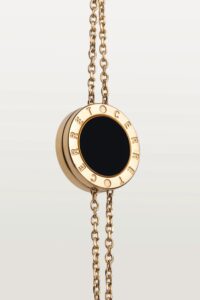
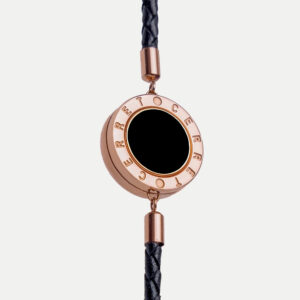
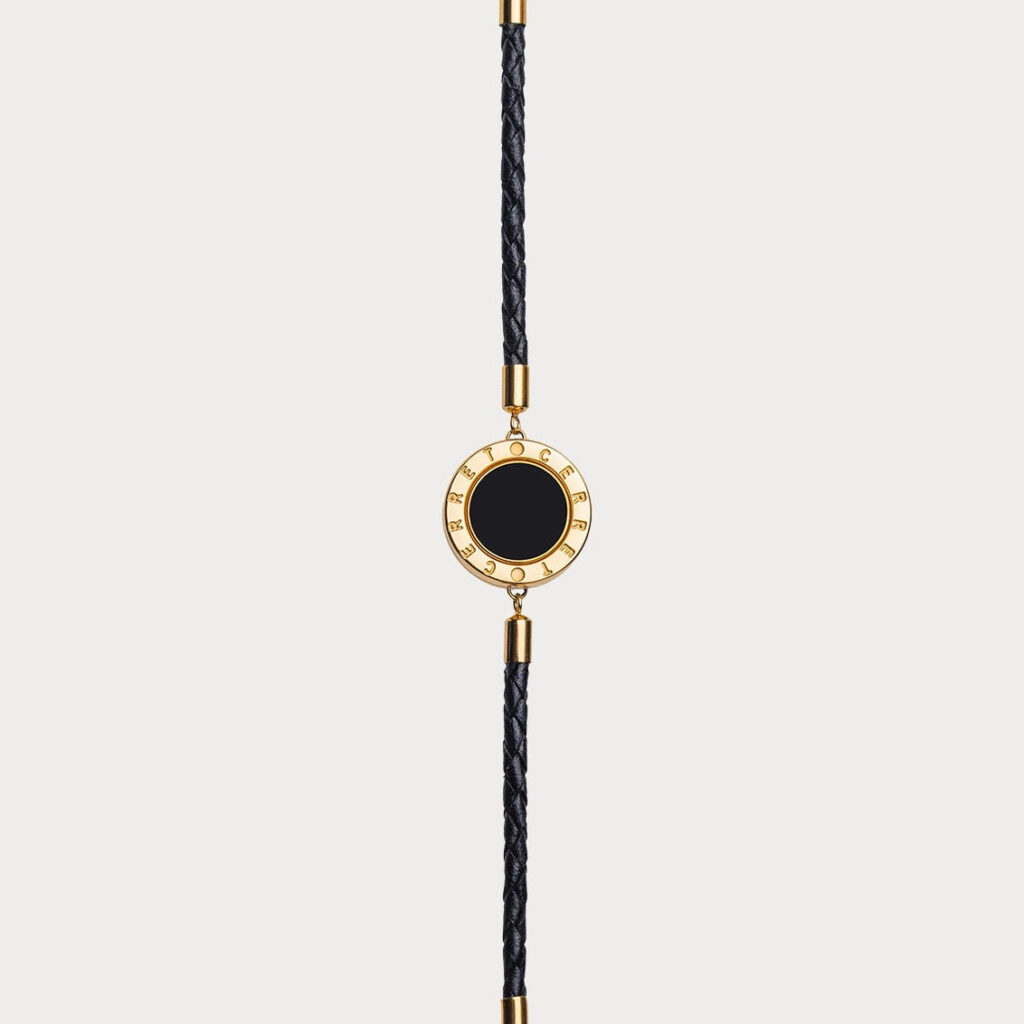
Of the options ranked above, CERRET scores highest on discretion specifically because it’s designed as fine jewelry first, with the double-press safety trigger built into that design rather than presented as a standalone device. The core alert — to your own added contacts, with a real-time location link — requires no subscription, and there’s a stated 15-minute window to cancel a false alarm. For the full model lineup and pricing across all nine finishes, see our CERRET bracelet review. To see how it compares directly to another bracelet-style option, read our CERRET vs invisaWear comparison; for a broader side-by-side across more brands, see Personal Safety Bracelet: Best Options Compared. And if you want the wider category context beyond just bracelets, our safety jewelry guide covers necklaces, rings, and smartwatches too.
Frequently Asked Questions
Is “security jewelry” the same thing as “safety jewelry”?
In practice, yes — both terms describe discreet, jewelry-styled personal-safety devices, and we use them interchangeably. “Security jewelry” is simply the more ambiguous of the two search terms, since it can also mean jewelry theft protection or self-defense items, which this guide doesn’t cover.
Does security jewelry call 911 automatically?
Usually not by default. Most options here alert your own added contacts rather than emergency services directly; professional 911 or monitoring-service dispatch is typically a separate paid tier, where offered at all.
Which option is most discreet?
Based on each brand’s own public design and positioning, CERRET and invisaWear — both built as jewelry first, with the safety trigger hidden inside a double-press gesture — rank as the most discreet of the four compared above.
Do these devices need a phone nearby?
Almost always, yes. CERRET and the other bracelet-style options compared here need a nearby phone with Bluetooth and a data or cell connection to actually send an alert, since the jewelry itself has no cellular radio.
Is there a current discount code for CERRET?
Yes — our CERRET link applies a 10% off code automatically at checkout. See our full CERRET review for current pricing across all nine models.
Want the most discreet option in this comparison?
CERRET: discreet double-press SOS, no subscription, and a stated 15-minute cancel window.