Prospectors Dream
Dream Mat vs Traditional Sluice Mat (2026)

|
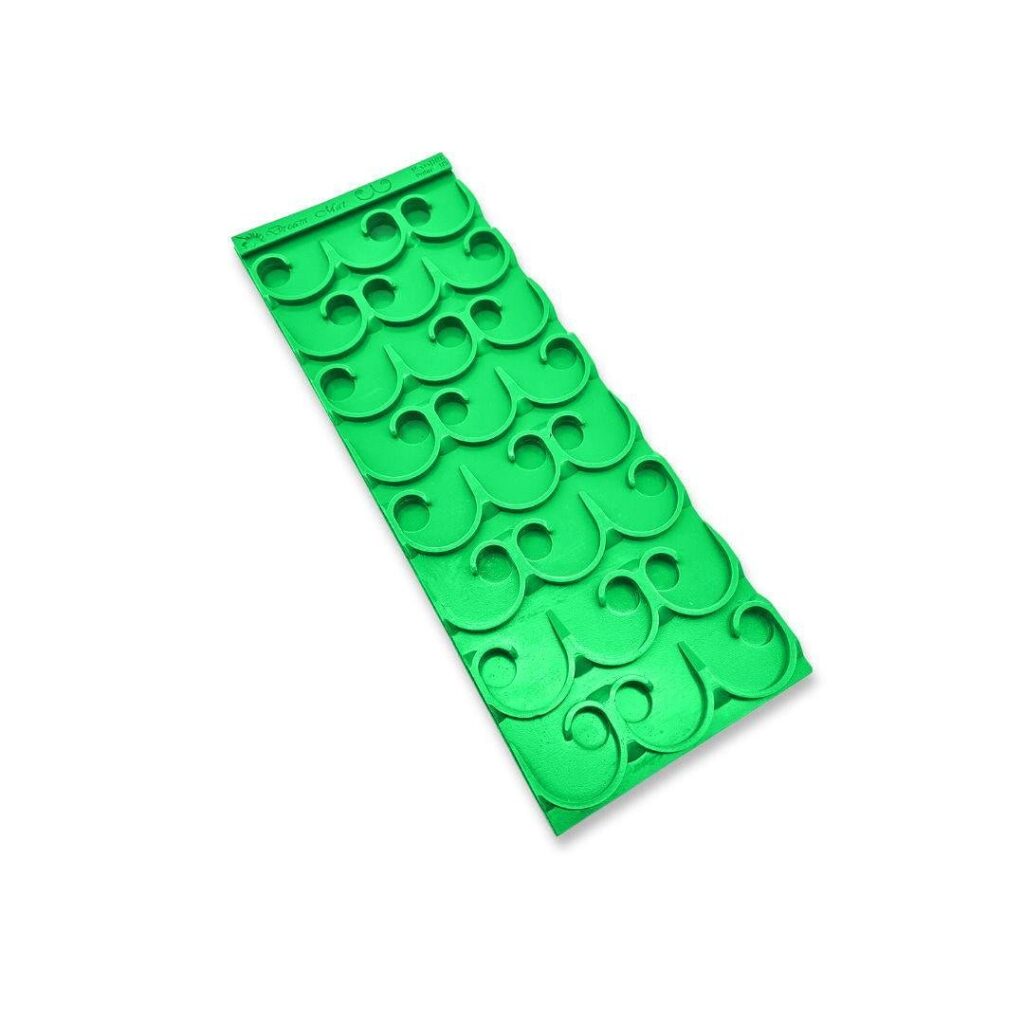
Already sold on Dream Mat and just need to pick a size? Start with our Dream Mat Review full size-and-price lineup, or our Best Dream Mat for Fine Gold pick for slow-flow cleanups. This guide is for a different question: is the switch from a standard expanded-metal mat actually worth it, and what does “vortex” recovery technology even mean in practice?
For the full brand rundown, see our Prospectors Dream Review.
|
|
What “Traditional Sluice Mat” Actually Means Here
Prospectors Dream no longer sells the older-style setup this comparison is measured against — every current mat in their lineup uses Dream Mat’s vortex-cell design. The “traditional” side of the comparison is #5 expanded metal laid over 3/8-inch miner’s moss and artificial grass turf for the upper section of a sluice, switching to finer #9 expanded metal near the tail — the setup most classic sluice boxes and many other brands’ boxes still ship with, and the one Dream Mat itself replaced. If you’re running an older box, a DIY build, or a different brand’s stock mat, this is very likely the style you’re comparing against.
|
|
The Actual Numbers
Prospectors Dream publishes this side-by-side test data on its own site. These are the brand’s own reported figures — not an independent lab test run by ReviewDailyHub — so treat them as manufacturer-published claims worth weighing, not neutral third-party verification.
The recovery-rate gap (+7.6 points) gets the headline, but the concentrate weight and cleanup-time numbers are arguably the more practical difference: roughly 64.5% less material to carry out and pan down, in about 39% less time per cleanup. Source: Prospectors Dream’s own published Expanded Metal vs. Dream Mat comparison page.
|
|
Why the Gap Exists: Vortex Cells vs. Packed Screens
According to Prospectors Dream’s own explanation, a traditional expanded-metal-and-moss setup relies on turbulence from the screen itself to trap material. That works early in a run, but “migrating black sand and compact clays collect and pack the fiber backing solid” as the session goes on — once the moss is packed, fine gold stops settling and starts washing out with the tailings instead.
Dream Mat’s design instead uses molded vortex chambers: high-density material (gold, black sand) gets pulled directly down into static containment pockets, while lighter, low-density gravel is continuously sheared off the surface and carried on downstream. Because the pockets don’t rely on a porous fiber backing that can clog, Prospectors Dream states the system “avoids packing, remaining active throughout high-volume production surges” — a consistent recovery rate across the length of a session instead of degrading as it fills, which lines up with the lower cleanup time and smaller concentrate volume in the numbers above.
|
|
If You’re Switching, Which Cell Size?
The vortex-cell design comes in several cell sizes tuned for different material: roughly 1/8-inch cells on the Micro line for fine gold and flour gold, 3/4-inch cells on the Vortex line for coarser material and small nuggets, and a mixed-cell Combo option that runs both profiles in one mat for two-stage recovery. Verified live on the store 2026-09-10, current pricing for the smallest format runs from about $36.95 (6×16 Micro) up to $126.95 for an 8×36 Dredge mat, with wider and longer formats scaling up from there. For the full price ladder across every size, see the Dream Mat Review (linked in the intro above); if fine gold recovery specifically is the goal, the Best Dream Mat for Fine Gold pick (also linked above) covers the 48-inch format built for slow-flow cleanups.
|
|
Is Switching Worth It?
If you’re already running a Prospectors Dream sluice box, it almost certainly ships with a Dream Mat already — see our Best Gold Sluice Boxes and Gold Sluice Box Buying Guide for current picks. This comparison matters most if you’re running an older box, a different brand, or a DIY build with a standard expanded-metal mat and are deciding whether a Dream Mat swap is worth the cost.
|
|
Dream Mat vs Traditional Sluice Mat FAQ
Is the 96% vs 88.4% recovery-rate figure independently verified?
No — it’s Prospectors Dream’s own published comparison test. We’re reporting it transparently as a manufacturer claim, not an independent lab result. Treat it as a strong signal from the company that designed both systems, not neutral third-party verification.
Can I still buy the traditional expanded-metal setup from Prospectors Dream?
No — Prospectors Dream’s current lineup is entirely Dream Mat technology. The expanded-metal comparison represents the standard setup found on older sluice boxes, DIY builds, and many other brands’ stock mats, not something currently sold on their site.
What’s the practical difference of 18 lbs vs 49.6 lbs of concentrate?
Less material to carry out of the field and pan down afterward. Roughly a 64.5% reduction in saturated concentrate weight translates directly into less panning time per cleanup, on top of the reported cleanup-time difference itself.
Does a Dream Mat work in fast or aggressive water?
Prospectors Dream rates its vortex design up to 370 GPM of flow tolerance, versus 225-250 GPM claimed for the traditional expanded-metal setup — meaning it’s designed to keep recovering in higher-flow conditions where a packed screen setup would typically start losing fine gold.
Which Dream Mat cell size should I buy if I’m switching from a traditional mat?
It depends on your material: roughly 1/8-inch cells (Micro line) for fine and flour gold, 3/4-inch cells (Vortex line) for coarser material, or a Combo mat that runs both. See the Dream Mat Review (linked in the intro above) for the full size and price lineup.
Do all Prospectors Dream sluice boxes already come with a Dream Mat?
Yes — every current sluice box in their lineup ships with a Dream Mat installed rather than a standard expanded-metal mat. See the Gold Sluice Box Buying Guide (linked above) for current models.
|
Related reviews
Affiliate disclosure:
ReviewDailyHub may earn a commission when you buy through links on this page. Products are selected and tested independently; commissions never influence our ratings.